September 28, 2026
Upgrading your home’s interior design often starts from the ground up. Whether you are building a new residence, expanding an existing footprint, or renovating a historic property, selecting the right flooring is a critical decision that impacts both daily living and long-term property value. Wood floors have remained a timeless standard of elegance, warmth, and durability for centuries.
Many homeowners wonder if the initial investment is truly worth the upfront expense compared to alternative materials. The answer is a resounding yes. According to HomeAdvisor, hardwood flooring offers a 75% ROI. This incredible return on investment means that you are not just purchasing a walking surface; you are making a calculated financial decision that enhances your property's equity. But with countless varieties, styles, widths, and finishes available on the modern market, the selection process can easily become overwhelming for the average consumer. How do you narrow down the options to find the perfect match for your specific environment? The journey requires careful consideration of several interconnected factors, from aesthetic preferences to functional necessities. In this comprehensive guide, we will walk you through the essential steps to ensure your final choice perfectly aligns with your vision, practical requirements, and architectural style.
Analyzing Your Daily Traffic
The very first step in evaluating your options is to take a realistic look at the amount of activity your home experiences on a daily basis. A bustling household with young children running down the halls, large indoor pets, and frequent social gatherings will demand a significantly more resilient surface than a quiet, low-traffic apartment or an empty-nester residence. When you start looking at hardwood options, you must deeply consider the durability of the material, which is typically measured by the industry-standard Janka hardness scale.
The Janka scale determines the resistance of a wood species to denting and wear by measuring the force required to embed a small steel ball halfway into the plank. For high-traffic areas, you will want a material that scores exceptionally high on this scale, such as hickory or hard maple. These dense options can withstand dropped toys, pet claws, dragging chair legs, and heavy footsteps with minimal scarring. Conversely, if your home is a tranquil sanctuary where shoes are consistently left at the door, you might have the flexibility to choose softer, more exotic species like walnut or cherry. These softer woods offer exquisite, rich colors and striking grain patterns but require a gentler touch to maintain their pristine appearance over the decades. By accurately assessing your daily life and routine, you can filter out materials that might look beautiful in a showroom but would quickly deteriorate under the realities of your living situation.
Selecting Your Ideal Species
Once you have established the required durability level based on your lifestyle, the next exciting phase is choosing the specific type of tree that will grace your floors. The species of your hardwood heavily dictates the overall aesthetic tone, color palette, and character of your room. Red oak and white oak are incredibly popular choices across North America, celebrated for their traditional appeal, prominent grain patterns, and excellent ability to take on different custom stains. Red oak tends to have warm, pinkish undertones that create a cozy atmosphere, while white oak provides a cooler, more neutral canvas that is currently highly favored in contemporary and modern minimalist interior design.
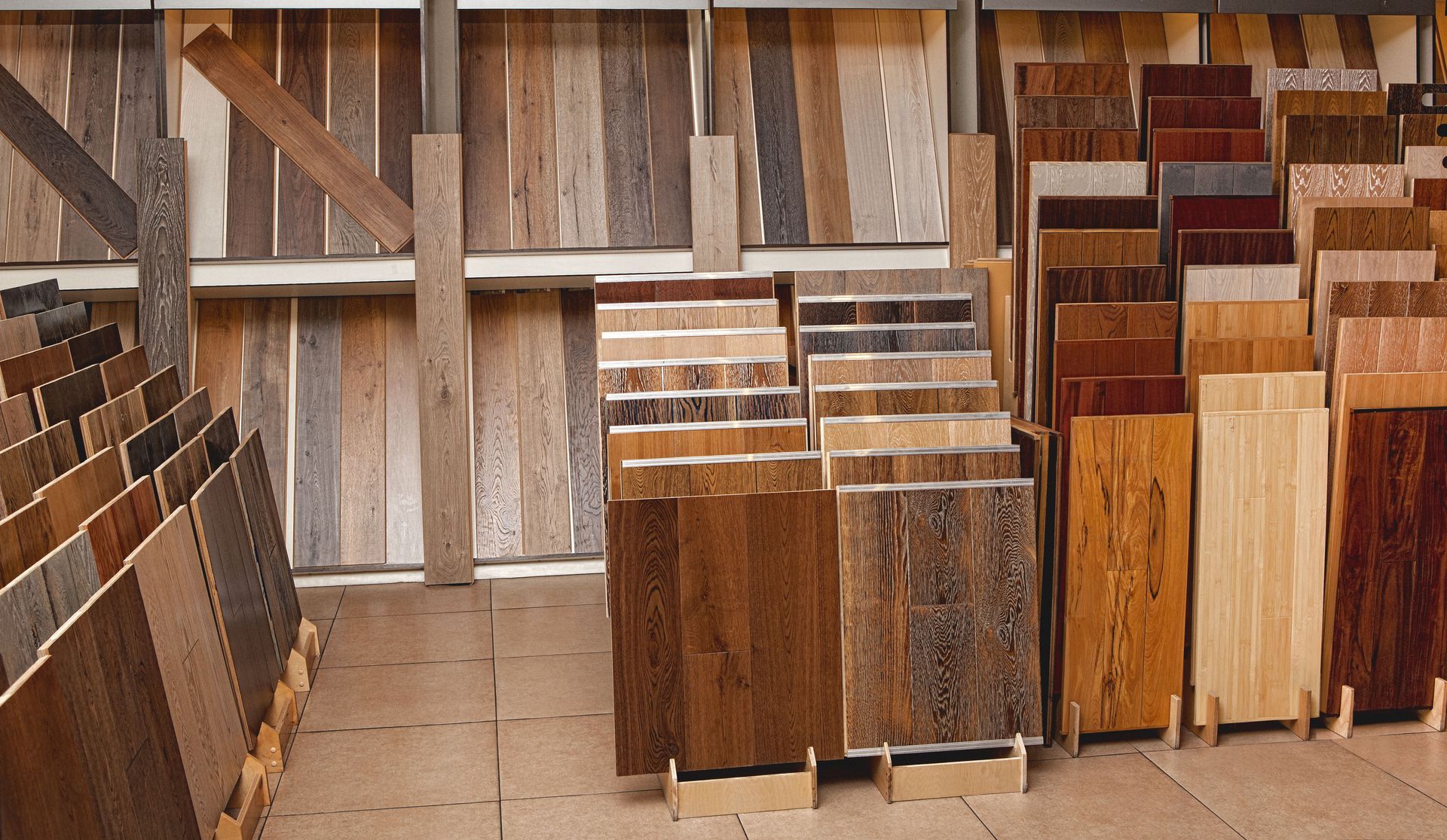
If you prefer a floor with dramatic character and high color variation, hickory is an outstanding candidate. It features a stunning mix of light sapwood and dark heartwood, creating a rustic, cabin-like feel that hides scratches, dust, and minor imperfections exceptionally well. For those seeking a sleek, uniform appearance, maple offers a subtle, consistent grain with a pale, creamy hue that instantly brightens up any space and pairs beautifully with modern cabinetry. Alternatively, if your goal is to cultivate an atmosphere of deep luxury and historic sophistication, American walnut delivers gorgeous, dark chocolate tones that instantly elevate the elegance of a dining room or formal living area. Each species brings its own unique personality, so it is vital to request large physical samples.
Choosing Your Plank Width
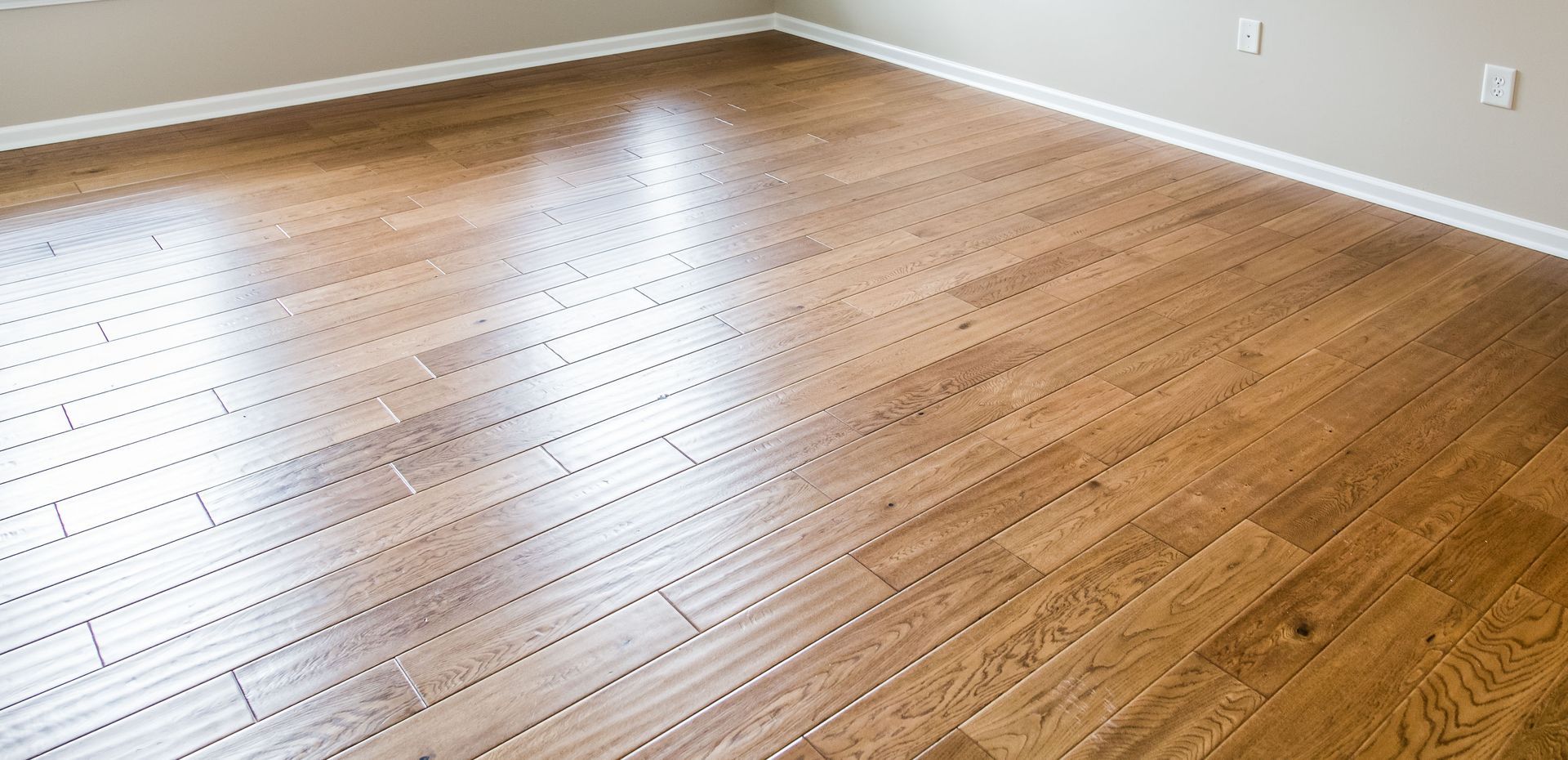
The physical dimensions of your floorboards play a surprisingly massive role in the visual impact and spatial perception of your space. For many years, narrow strips were the unquestioned industry standard. These narrow boards create a linear, traditional aesthetic that works wonderfully in historic homes, classic colonials, or smaller, confined spaces where you want to create an illusion of length and direction.
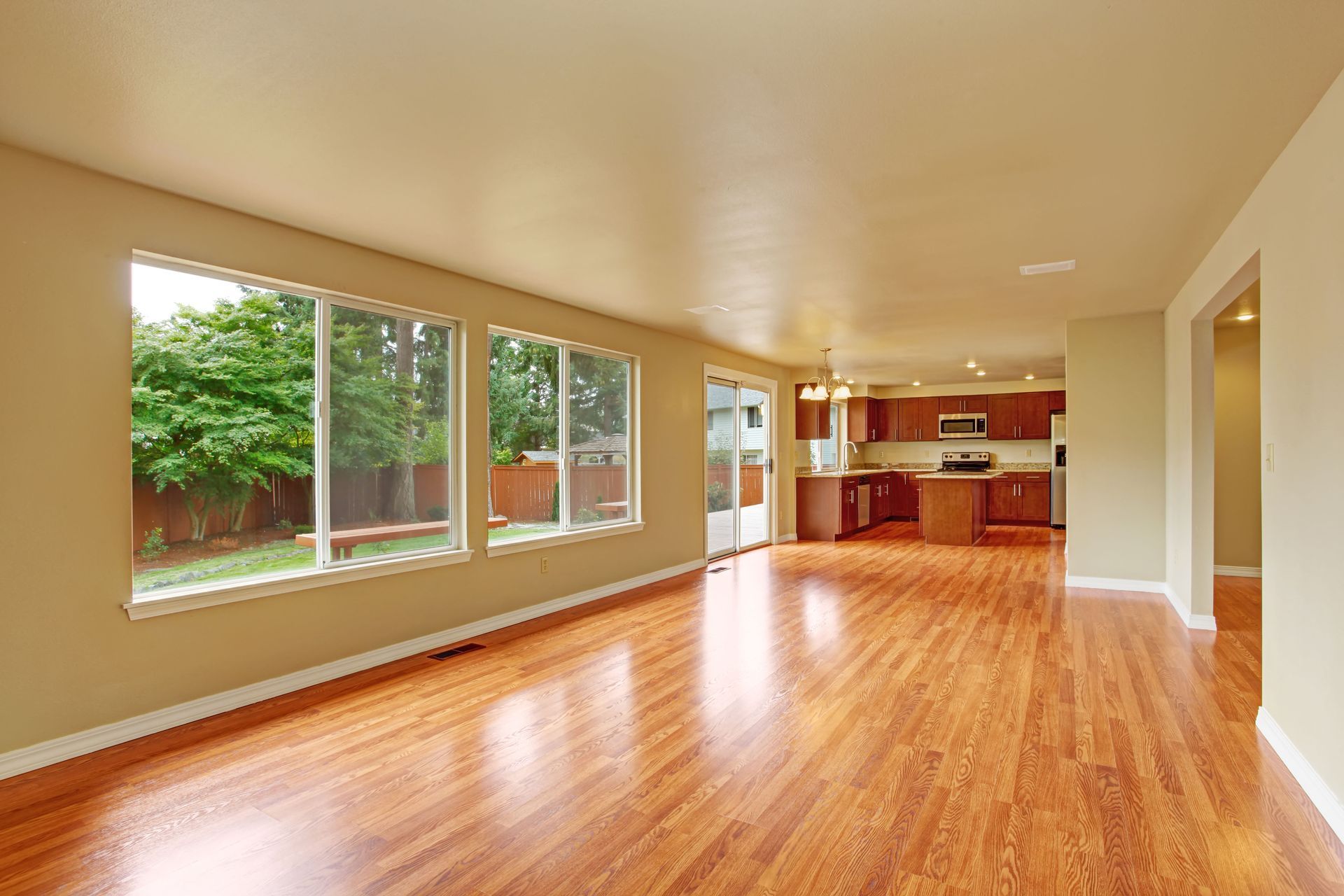
However, modern design trends have heavily shifted toward wider planks. Wide planks showcase more of the wood's natural grain, knots, and character, reducing the number of visible seams across the room. This seamless look can make a large, open-concept living area feel even more expansive, relaxed, and cohesive. It is important to note, however, that wider boards are inherently more susceptible to fluctuations in indoor humidity and temperature. Because there is more surface area per board, they can expand and contract more noticeably, potentially leading to small gaps during dry winter months. To mitigate this movement, engineered wood is highly recommended for wide-plank installations. When balancing visual aesthetics with environmental stability, consulting with installation experts will ensure you select a width that not only looks breathtaking but performs flawlessly in your specific local climate.
Determining Your Perfect Finish
The protective coating applied to the surface of your floors is the unsung hero that preserves their beauty for generations. A well-chosen finish protects your hardwood from moisture, dirt, UV fading, and daily abrasion while significantly altering its final appearance and maintenance routine. Polyurethane is the most common protective layer, available in both water-based and oil-based chemical formulas. Water-based polyurethane is celebrated for its crystal-clear appearance, rapid drying time, and exceptionally low volatile organic compound (VOC) emissions. It allows the natural color of the wood to shine through without yellowing over time, making it ideal for light-colored species like maple or natural white oak.
Oil-based polyurethane, on the other hand, imparts a warm, amber glow that deepens the wood's natural tones and creates a rich, classic look. It is slightly more durable and budget-friendly but requires a much longer curing period and emits stronger odors during the application process. Beyond the chemical composition, you must also carefully decide on the sheen level. High-gloss finishes create a formal, reflective surface that is stunning but notoriously difficult to keep clean, as every speck of dust, pet hair, and tiny scratch is magnified under the light. Satin and matte finishes have surged in popularity in recent years because they provide a more natural, understated elegance while effectively concealing minor wear and tear. Furthermore, you might consider textural surface treatments like hand-scraping or wire-brushing, which intentionally distress the wood to create an authentically aged, rustic patina that perfectly masks accidental dents and daily life.
Planning Your Long-Term Budget
Transforming your home with premium flooring is a significant financial commitment, and transparency regarding costs is essential for a smooth, stress-free project. Quality hardwood requires a thoughtful budget that accounts for much more than just the advertised price per square foot of the raw material. You must also factor in the cost of professional installation, moisture-barrier underlayment, new baseboards, transition pieces, and any necessary subfloor preparation or leveling. Attempting to cut corners by hiring inexperienced installers or skipping proper subfloor leveling can lead to disastrous results down the road, including squeaking, buckling, and premature structural failure of the planks.
It is also incredibly wise to consider the long-term maintenance costs and lifecycle of the product. Solid wood floors possess a distinct, powerful advantage: they can be sanded and refinished multiple times over their lifespan, completely eliminating decades of scratches and allowing you to change the stain color entirely to match future design trends. This unmatched longevity is precisely why they add so much inherent value to a property. While the upfront cost may be higher than synthetic alternatives like laminate or luxury vinyl plank, the durability and timeless appeal ensure that you will not need to replace them for many years.
Contact Malves Flooring Sales & Service LLC today to schedule a personalized consultation, explore our extensive local showroom, and take the first confident step toward transforming your home with the enduring beauty of natural wood floors.